


Britain’s Food Supply On A Knife's Edge of Crisis, Experts Warn
Britain’s food supply is flirting with instability in a way that would make any supply chain manager’s heart skip a beat, according to a new expert analysis.
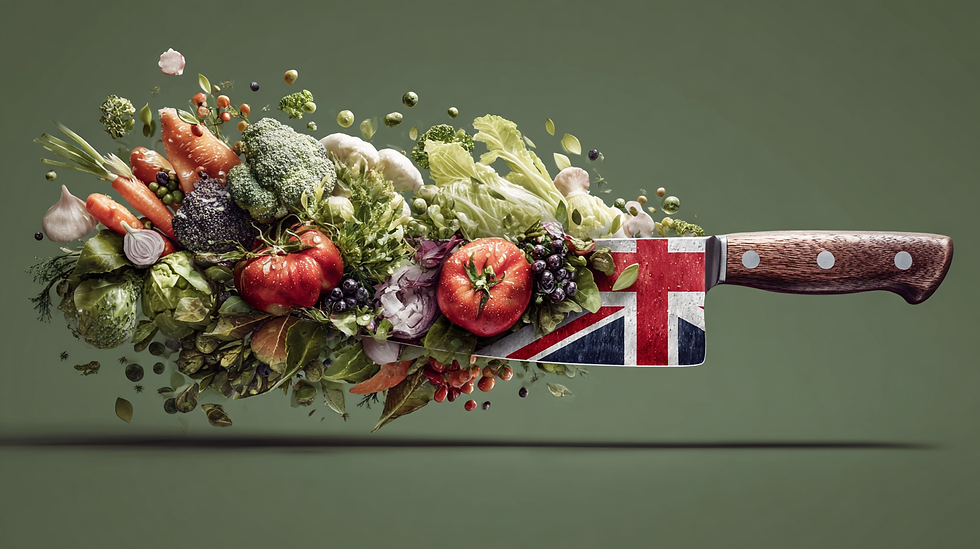
More than 30 leading food system specialists warn that chronic pressures coupled with a series of “shock events” could be enough to tip the UK into widespread food insecurity — and, in the worst-case scenario, civil unrest.
The stark assessment — published this week in the journal Sustainability — describes the UK’s food system as a tinderbox, exposed to deep-seated structural weaknesses such as:
A just-in-time supply chain with little buffer for disruption.
Heavy reliance on imports — around 35% of food consumed is brought in from overseas.
Rising rates of household food insecurity, with one in seven people struggling to afford food in 2025.
Against this backdrop, the researchers modelled how certain sudden shocks — from extreme weather to international conflict — might play out. Three rose to the top as the most dangerous: cyber-attacks, extreme weather events and global conflict.
Cyber-threats Are More Than Digital Headaches
Hardly sci-fi material, cyber-security has already impacted the UK food retail world. Major retailers — including The Co-operative and Marks & Spencer — suffered significant cyber-attacks in 2025, disrupting operations and spotlighting how vulnerable digital systems can transmit chaos rapidly through supply networks.

In the analysts’ model, a large-scale system breach doesn’t just mean checkout lines slow down — it can ripple up to shortages, price spikes, and heightened consumer anxiety.
A Social Lens: Crisis Is More Than Supply and Demand
Perhaps the most striking part of the report isn’t just logistics, it’s psychology.
Experts stress that food crises aren’t just about calories on shelves — they’re about dignity, trust and perceived fairness. When communities already struggling with tight budgets and little buffer see prices climb and shelves go bare, the consequences cascade from households to the street.
A majority of the experts believe violence linked to food crises is possible in the next 50 years, and almost half think it could occur within the next decade. While that sounds dramatic, it’s important context: unrest in the UK isn’t theoretical — social fractures have already shown up in recent years amid other pressures.
Solutions: Resilience, Diversity and Collaboration
The report doesn’t just sound the alarm — it points to practical, long-term fixes:
Broadening domestic food production to reduce import dependence.
Investing in regenerative agriculture to make crops more resilient to climate and pest shocks.
Building inclusive planning processes with voices from communities most affected by food insecurity.
From a government perspective, officials point to ongoing work on climate-resilient crops, regulatory streamlining and technology investment as part of strengthening national food security.
Why This Matters to the Fresh Produce Sector
For growers, wholesalers and retailers in the UK fresh produce industry, this analysis reinforces something many of you already feel on the ground: resilience isn’t optional, it’s existential. From climate volatility in growing regions to tightening household budgets here at home, the fragilities laid bare by this study underscore the need for collaboration across the supply chain and with public partners.
In an era of increasing global uncertainty, the industry’s ability to innovate — whether through diversification of supply sources, adoption of smarter technology, or community-centric distribution models — could be the difference between disruption and disaster.
Professor Alan McKinnen , a renowned logistics and supply chain thought leader , and his department when he was at Herriot Watt University twenty years ago undertook research which showed there are only five meals in the U.K. supply chain - two and a half days
It is understood that little has changed since then and some sources indicate the timescale has become tighter since then