


Fresh Produce Sells Better Near Supermarket Entrances, Study Finds
Positioning fruit and vegetable sections at supermarket entrances increases sales and may improve women's diet quality, according a new study funded by the National Institute for Health and Care Research (NIHR).
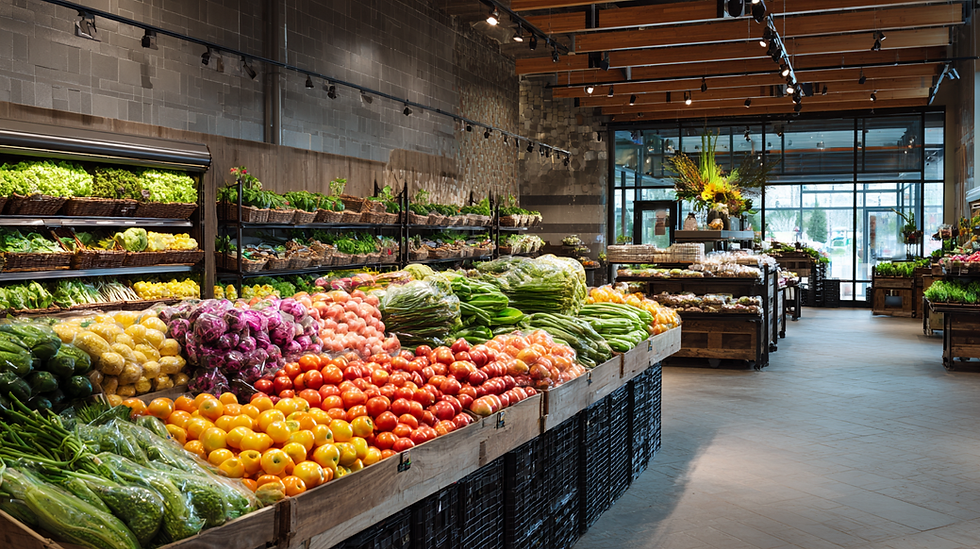
Published in the journal PLOS Medicine, the research found that when fresh produce was moved to a more prominent position near entrances, stores sold more fruit and vegetables.
In total, around 2,525 additional portions of fruit and veg were sold per store, per week during the trial which was carried out in 36 stores of a discount supermarket chain in England, between March 2018 and May 2022.
The study's authors said these figures could translate to “clinically meaningful improvements” to population health since an increase of 50g of fruit and vegetables per day (one portion equates to 80g) has been associated with 20% reduction in all-cause mortality.
Meanwhile, the results contrasted with “substantial declines” in population-level fruit and vegetable purchasing and intake during the period of the study, which coincided with Covid-19 and the cost-of-living crisis.
Researchers Urge Policy Change
The study sought to assess the effects of positioning an expanded fruit and vegetable section near entrances on store-level sales, household-level purchasing and waste, and dietary behaviours.
Its findings add to evidence that supermarket layout can shape purchasing behaviour, with healthier items becoming more visible and easier to choose.
Researchers say the approach could help retailers support better diets without major changes to store operations.
The experts behind the paper said government regulations to curb the promotion of unhealthy food should consider requiring the placement of a fruit and veg section at store entrances.
“Given our findings, the Government should consider expanding the UK Food (Promotions and Placement) regulations in England to require the positioning of fresh produce sections near store entrances in all large food stores to boost fruit and vegetable sales and improve the nation’s diet,” commented lead research author Professor Christina Vogel, an Adjunct Professor at the University of Southampton and Director of the Centre for Food Policy at City St George’s.
Action is required across a range of policy areas to tackle poor diet, which remains a leading cause of ill health and inequalities in the UK, according to Professor Adam Briggs, Director of NIHR's Public Health Research (PHR) Programme.
“WRAPPED's promising results show how small changes in our supermarket layouts can impact our shopping habits and encourage healthier diets that can help prevent obesity and diet-related disease,” noted Professor Briggs.
“It’s a great example of how carefully involving retailers in research can help deliver practical real-world insights.”
Small Changes Encourage Healthier Diets
The researchers also suggest limiting the placement of unhealthy foods in locations such as checkouts, aisle-ends, and store entrances to maximise their health benefit.
The study was led by researchers from the MRC Lifecourse Epidemiology Centre at the University of Southampton with the Centre for Food Policy at City St George’s, University of London, alongside others.
Highlighting the current “junk food cycle”, Professor Vogel said unhealthy foods remain cheap to make, profitable to market, appealing to eat, and affordable to buy.
“To counter this, our study shows that placing fruit and vegetables at the entrances of discount supermarkets increased fresh fruit and vegetable sales,” Professor Vogel explained.
“These results are important given population-level declines in fruit and vegetable sales and intake in the UK over the period of the study, due to COVID-19 and other issues.”
UK household purchasing of fruit fell 7.2 per cent and 5.3 per cent for vegetables during the same period as the trial.
Obesity and poor diet remain major public health concerns.
UK households on average are purchasing fewer than four portions of fruit and vegetables per day for the entire family, noted Professor Vogel.
The researchers said retailers’ marketing strategies, often through product placement in stores, can have a major impact on food choices.
However, previous research studies have shown that less than 1 per cent of retailer placement promotions are for fruit and vegetables.
Also, while many supermarkets place fresh fruit and vegetables where customers encounter them on entering the store, it is less common in discount and small supermarket chains.
Comments