


UK Wholesaler Langridge Organic Affected By Refrigeration Cyberattack
London-based fresh produce wholesaler Langridge Organic has been caught up in the series of cyberattacks targeting supermarket refrigeration systems across Europe and Ireland, albeit successfully averting product losses after spotting suspicious activity.
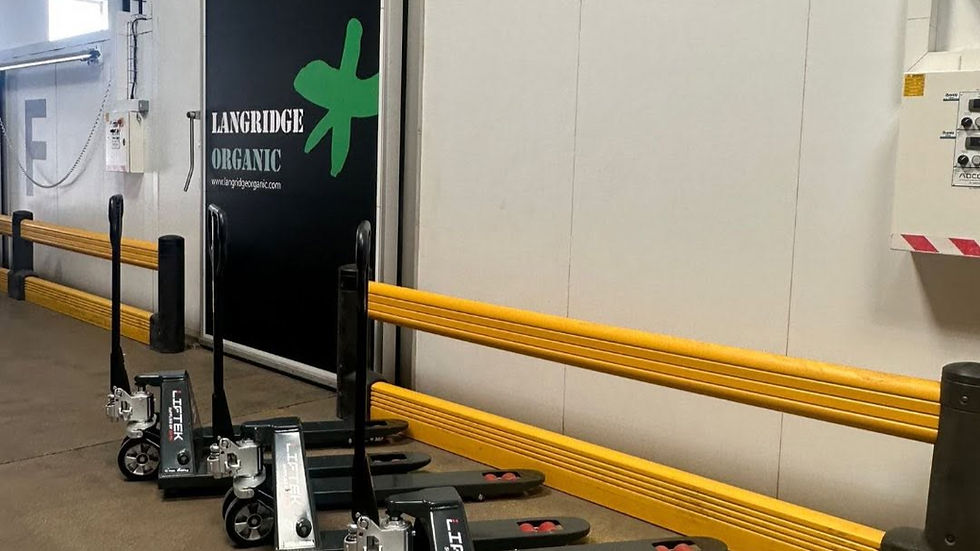
The organic fruit and vegetable wholesaler, which supplies independent retailers and home delivery companies including Whole Foods Market and Riverford, prevented potential stock damage after staff noticed changes to refrigeration settings, according to The Guardian citing The Grocer.
The firm’s team physically disconnected the affected cold storage rooms from the internet at the wall, with 6 out of 10 units reportedly hacked.
Langridge’s managing director Alex Pearce said the attackers had accessed the company’s fridge controllers and remotely altered multiple operating parameters.
Describing the scale of the changes as surprising, Pearce commented that it “was amazing how many parameters” the hackers had modified.
The incident came to light when Pearce noticed a refrigeration unit being remotely switched into defrost mode.
According to Pearce, the hackers had configured several units to defrost for more than four hours at a reported setting of 150°C.
However, intervention by Pearce and his team prevented the incident from escalating, with no stock spoiled.
“It clearly must have been easy to get in [to the system] because the simple solution was to unplug ourselves from the internet,” Pearce said.
Langridge uses refrigeration control technology developed by US software company Copeland, which is the same system implicated in attacks on French supermarket operations.
Copeland has said it is engaging with affected customers and has recommended software fixes.
The ‘Foothills’ Of A Wider Threat
The latest refrigeration attack this week highlights the potential vulnerability of temperature-controlled food supply chains, where interference with refrigeration infrastructure can put significant volumes of perishable stock at risk.
The British Association of Independent Meat Suppliers, which confirmed that more than 300 of its members had been affected, warned that the incident should serve as a reminder to businesses throughout the food supply chain that they could be considered targets.
The UK’s National Cyber Security Centre (NCSC), which operates under GCHQ, is said to be working with organisations to identify and address vulnerabilities in their systems before cybercriminals could exploit them.
NCSC chief executive Richard Horne warned that attacks targeting internet-connected fridges were just the “foothills” of a much wider cyberthreat, as AI systems increasingly expose weaknesses in IT networks that organisations may be unaware of or have failed to fix.
“There are so many vulnerabilities out there that… you could say are waiting to be exploited,” he added.
While NCSC is unable to comment on the source of the hack, cybersecurity researchers have reportedly identified similarities between the attacks and recent operations linked to Russia, following investigations involving ‘dummy’ Danfoss refrigeration controls.
Danfoss systems were among those targeted in mainland Europe.
Despite the incidents affecting individual businesses and suppliers across Europe, no UK grocery retail chain has been directly affected at the time of reporting.
UK retailers, however, have been warned by the NCSC to secure their refrigeration networks after the cyberattack affected more than 100 stores across Belgium, Estonia, Finland, Ireland, Luxembourg, the Netherlands, and Sweden.
This week’s hit follows a similar cyberattack in France last month which affected up to 700 stores.
Comments