


Why Food Deserts Are a Bigger Issue Than You Think — And What Might Actually Fix Them
Across the UK, far from the leafy aisles of well-stocked supermarkets, there are communities where access to nutritious food is scarce — and for the poorest households that scarcity isn’t an abstract concept, it’s a day-to-day reality. That’s the stark picture emerging from The Grocer’s analysis of “food deserts” and how the sector and policymakers might solve the problem.
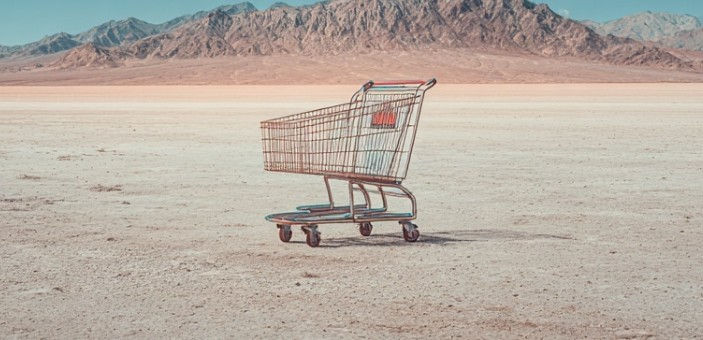
What Is A Food Desert — And Who’s Affected?
In the simplest terms, a food desert is a place where people struggle to access affordable, fresh food such as fruit, vegetables, lean proteins and other essentials of a healthy diet. Those living in such areas may have limited choice — or none at all — of nearby supermarkets or grocery shops that offer these healthier options.
For people on low incomes, where bus routes are limited and private transport is a luxury, the nearest store selling fresh produce might be a long walk or costly ride away, especially if local shopping areas are dominated by convenience stores selling mainly processed or ultra-processed foods.
It’s not just about geography. A growing body of research shows that the challenges of food deserts include cost, transport, and the way local supply chains and retail landscapes are shaped — often in ways that leave healthy options harder to find and more expensive than in wealthier areas.
The Vicious Circle Of Limited Choice
Consumers in food deserts face a vicious cycle: fewer healthy options leads to lower demand for fresh produce, which in turn discourages retailers from stocking it. Over time, this reduced choice becomes entrenched, reinforcing poor diets and fuelling health inequalities.
This creates an environment in which processed foods are not just more accessible but often more affordable in the short term, despite higher long-term health costs — and that is especially true for those managing extremely tight household budgets.
Why This Matters For Public Health And Society
Research beyond The Grocer’s analysis shows that limited access to nutritious food is closely linked with poorer diet quality, higher levels of obesity and related conditions, and wider social inequality. In some urban areas, for example, supermarket transaction data reveals distinct patterns of nutritionally deficient food purchases that cluster by neighbourhood — signalling that barriers to healthy eating go well beyond simple proximity to stores.
In plain terms: where affordable fresh food is hard to reach, health outcomes tend to be worse — and the costs of diet-related disease fall disproportionately on those who can least afford them.
What Could Real Solutions Look Like?
Tackling food deserts isn’t about a single magic bullet; it’s about joined-up solutions that address both supply and demand.
1. Retail Innovation In Underserved Areas
Supporting new retail formats like mobile greengrocers or state-subsidised “public restaurants” in neighbourhoods with poor supermarket access can make nutritious food closer and more affordable. Pilot projects in places like Liverpool and Dundee are exploring just that, with government funding targeting areas most in need.
2. Better Transport And Logistics
For many residents, the barrier isn’t a lack of supermarkets so much as the inability to get to them affordably. Improving transport links, subsidising travel to larger grocery stores, or supporting grocery delivery solutions tailored to lower-income homes could make a real difference.
3. Incentivising Healthy Offerings
Retailers and suppliers can be encouraged — through planning policy, tax incentives or partnership models — to stock and promote fresh, healthy options in neighbourhoods that currently lack them. That helps shift not just access but choice.
4. Community-Centred Initiatives
Local food hubs and community gardens, food hubs that let people choose their own food rather than rely solely on emergency aid, and partnerships between wholesalers and local organisations can help re-build a more equitable food infrastructure.
The Bigger Picture
Food deserts are a symptom of bigger systemic challenges in the UK’s food system — including income inequality, transport poverty, and retail investment decisions that often overlook the most deprived areas. But change is underway. With targeted projects, better data, and bold thinking from both public and private sectors, we have the chance to rewrite the narrative so healthy food isn’t a luxury only some can afford.
A couple of friends were talking about dinner plans when the subject changed to delivery apps. One person had a great experience while another complained about late orders. Before long, people were asking which food delivery service is the best and comparing stories from different apps. It was funny because nobody could agree on a single answer. In the end, everyone ordered something different anyway and just laughed about it.